Lot Leveling in Houston, TX
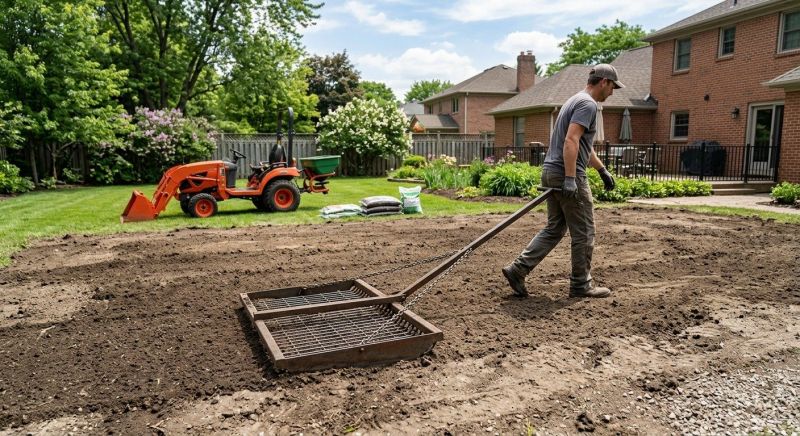
Lot leveling services involve adjusting the elevation of a property’s land to create a stable, even surface. This process is commonly used for residential properties, commercial sites, and land preparation projects, helping to prevent drainage issues, improve safety, and support construction or landscaping efforts. Property owners often seek this service when experiencing uneven terrain, settling issues, or planning to build structures such as garages, patios, or driveways, ensuring the land is properly prepared for its intended use.
Before requesting lot leveling, property owners should consider the current condition of the land, including existing slopes, drainage patterns, and any potential obstructions. Understanding the scope of the project, such as the size of the area and desired final elevation, can help in planning the work effectively. Clarifying these details in advance ensures that the leveling process aligns with property goals and prevents future concerns related to water runoff or land stability.
Many property owners in Houston, TX look into Lot Leveling for repairs, replacements, upgrades, and appearance-related improvements.
Benefits Of Lot Leveling
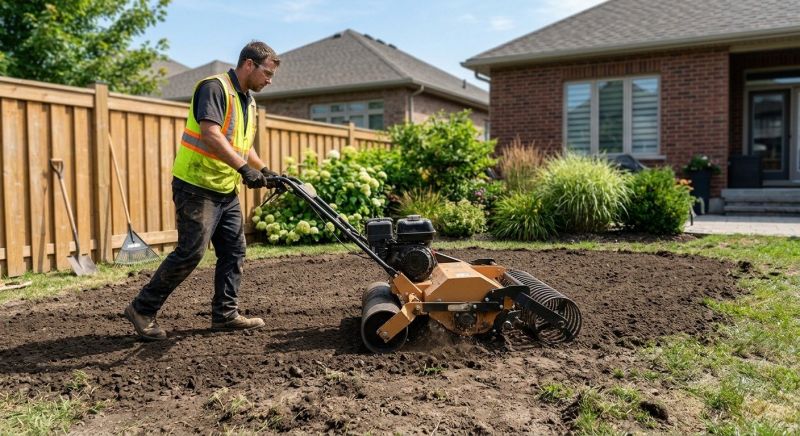
Proper lot leveling enhances property stability and prevents future settling issues.
Common Projects Requiring Leveling
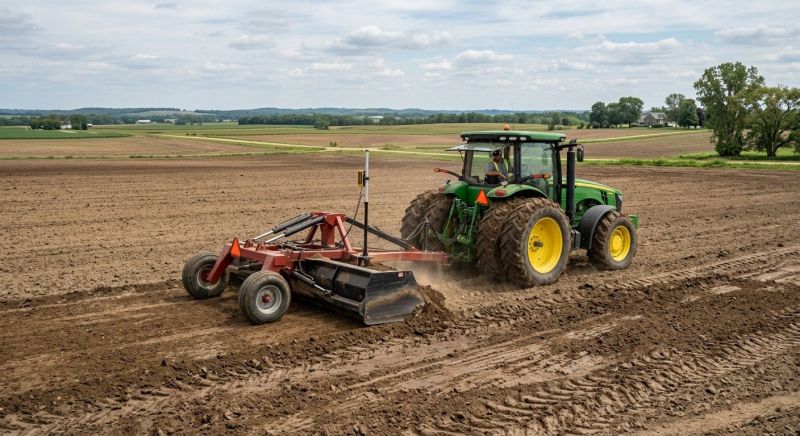
Leveling is often needed for foundation repairs, new construction, or landscape improvements in houston.
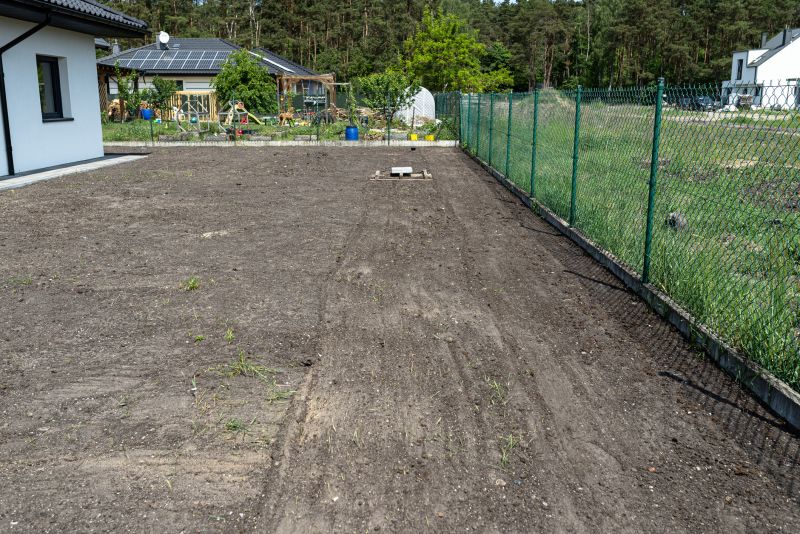
Signs Your Lot Needs Leveling
Uneven surfaces, cracks in the foundation, or water pooling are indicators that leveling may be necessary.
Lot Leveling in Houston, TX

Lot leveling services involve adjusting the elevation of a property’s land to create a stable, even surface. This process is commonly used for residential properties, commercial sites, and land preparation projects, helping to prevent drainage issues, improve safety, and support construction or landscaping efforts. Property owners often seek this service when experiencing uneven terrain, settling issues, or planning to build structures such as garages, patios, or driveways, ensuring the land is properly prepared for its intended use.
Before requesting lot leveling, property owners should consider the current condition of the land, including existing slopes, drainage patterns, and any potential obstructions. Understanding the scope of the project, such as the size of the area and desired final elevation, can help in planning the work effectively. Clarifying these details in advance ensures that the leveling process aligns with property goals and prevents future concerns related to water runoff or land stability.
Many property owners in Houston, TX look into Lot Leveling for repairs, replacements, upgrades, and appearance-related improvements.
Common Lot Leveling Jobs
Lot Leveling - ensures the ground is even to prevent drainage issues and foundation problems.
Driveway Leveling - corrects uneven surfaces to improve safety and vehicle access.
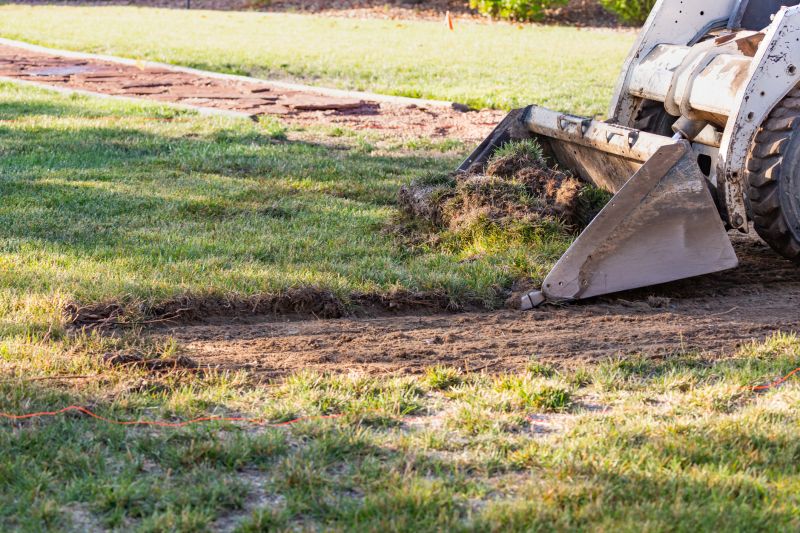
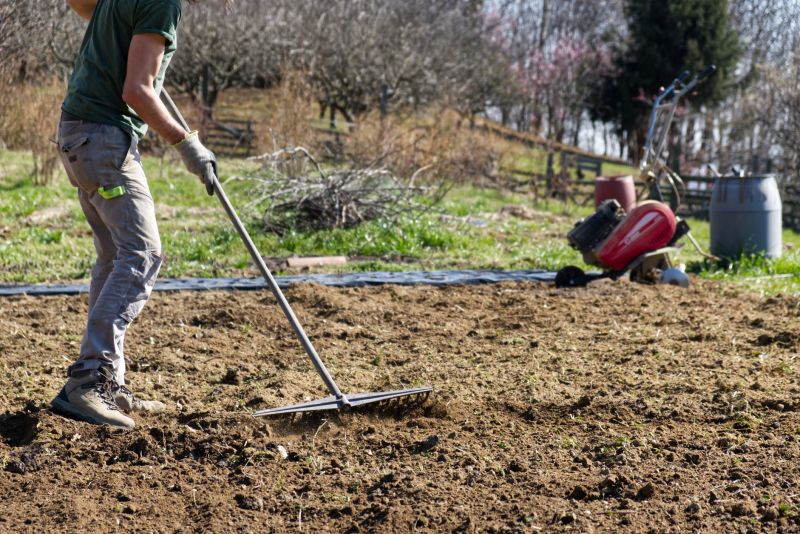
Yard and Landscape Leveling - creates a stable, even surface for planting, patios, or recreational areas.
Foundation and Slab Leveling - addresses uneven slabs to reduce cracking and structural concerns.
Uneven Ground Correction - stabilizes slopes and fills low spots for safer, more functional outdoor spaces.
Property Elevation Adjustment - raises or lowers land to meet zoning or drainage requirements.

Lot Leveling Questions
What is lot leveling? Lot leveling involves adjusting the ground to create a flat, even surface for construction or landscaping projects.
Why is lot leveling important? Proper lot leveling prevents water pooling, reduces erosion, and provides a stable foundation for buildings and other structures.
What types of projects typically require lot leveling? Projects like building foundations, installing driveways, patios, or landscaping often need lot leveling services.
How does lot leveling benefit property owners? It improves the stability of the land, enhances drainage, and helps ensure the longevity of future structures.
Request Lot Leveling in Houston, TX
Use the quote form on this page to share the basics of your project and request more information for the type of work you need.